 0
0
 1
1
When you’re ordering custom screen-printed T-shirts, hoodies, or other apparel, you want more than a great-looking design—you want a print that stays vibrant and durable wash after wash.
But how can you tell whether a screen-printed garment is truly high quality?
From the print itself to the fabric and garment construction, there are several things to look for before placing your custom apparel order.
5 Signs of High-Quality Screen Printing
1. The print has vibrant colors and crisp edges
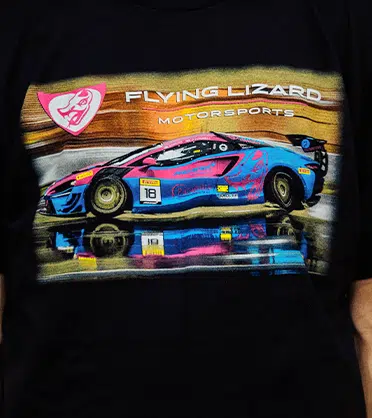
A high-quality screen print should look clean, sharp, and professional.
Look closely at the design. Colors should be vibrant and evenly applied, with crisp edges and well-defined details. You shouldn’t see areas where the ink looks unusually thin, faded, overly thick, or uneven.
For multicolor designs, each color should also be properly aligned. Poor registration can make a design look blurry or out of focus.
What to look for:
- Properly aligned colors
- Vibrant, consistent colors
- Crisp lines and edges
- Even ink coverage
- Sharp details
2. The ink stays where it belongs
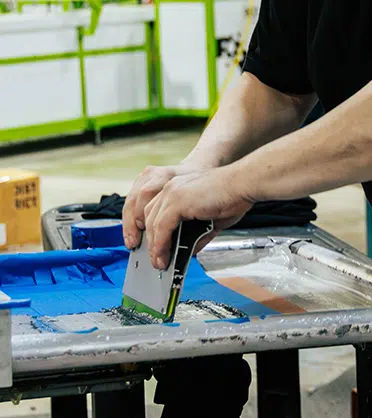
A properly printed and cured design should not release color when you rub your fingers across it.
If ink comes off easily, the print may not have been properly cured. This can be an early warning sign that the design won’t hold up well through repeated washing and wearing.
A quality screen printer uses the appropriate inks, printing techniques, and curing process for the specific garment and design.
3. The ink is properly cured
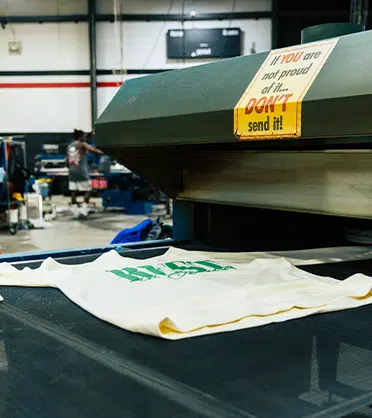
Curing is one of the most important steps in the screen-printing process because it helps the ink bond properly to the fabric.
A properly cured print should have the right balance of durability and flexibility. When the shirt stretches, the print should flex with the fabric rather than immediately peeling or flaking.
An improperly cured print can lead to problems such as:
- Under-cured ink: May peel, crack, or wash out prematurely.
- Over-cured ink: Can become unnecessarily brittle and contribute to cracking.
- Properly cured ink: Should remain durable while maintaining the appropriate feel and flexibility for the garment.
If you’re evaluating a finished garment, inspect the print after washing and wearing it. A quality screen print should continue to look good rather than quickly
4. The design is positioned correctly
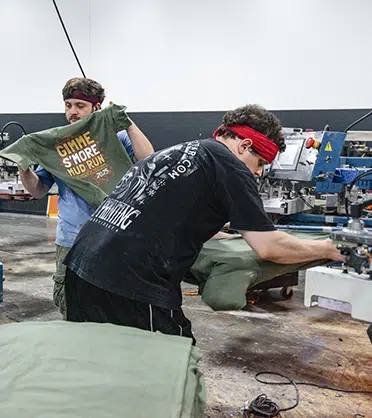
Even a beautifully printed design can look unprofessional if it isn’t placed correctly on the garment.
A front or back print should be positioned consistently and centered appropriately between the sleeves. Sleeve prints should be positioned and aligned correctly on the outside of the sleeve.
Professional screen printing requires attention to both print quality and placement. Before approving a large custom apparel order, ask your printer how they handle artwork positioning and quality control.
5. The Garment Matters, Too
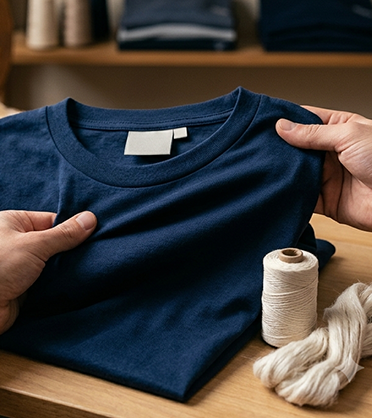
Great screen printing starts with quality apparel.
The garment’s fabric, texture, and construction can all affect how a design looks and how well it holds up over time.
Some fabrics can be more challenging to screen print because they have loose fibers, excessive texture, or a slick surface. These characteristics can affect ink adhesion and the clarity of the finished design.
Cotton
100% cotton is a popular choice for screen printing because it is comfortable, versatile, and generally provides a good surface for ink.
Cotton garments are especially popular for custom T-shirts, promotional apparel, uniforms, events, and branded merchandise.
Cotton-Polyester Blends
Poly-cotton blends combine cotton and polyester fibers to create apparel that can offer a balance of comfort, durability, shape retention, and wrinkle resistance.
They can be an excellent choice when you want a lightweight, durable garment with a different feel than traditional 100% cotton.
Tri-Blend Fabrics
Tri-blend shirts typically combine cotton, polyester, and rayon. They are known for their soft feel and lightweight construction and can give custom screen-printed apparel a comfortable, vintage-inspired appearance.
However, different fabrics can require different printing approaches, so it’s important to work with a screen printer who understands how to print on the garment you choose.
Don’t Forget Garment Construction
Even the highest-quality screen print won’t make a poorly constructed shirt last longer.
Before choosing a garment for your custom apparel project, examine its overall construction. If possible, turn the shirt inside out and inspect the seams and stitching.
Look for:
- Flat, even seams
- Straight, consistent stitching
- Secure hems
- No obvious missing stitches
- Well-constructed collar and sleeves
Strong construction helps ensure your custom apparel can withstand regular wear and washing.
How to Choose a Quality Screen Printing Company
If you’re ordering custom T-shirts or apparel, don’t evaluate a screen printer based on price alone.
Ask about their:
- Printing and curing process
- Garment options
- Artwork and proofing process
- Quality-control procedures
- Experience with similar projects
- Recommendations for your specific fabric and design
A reputable screen printer should be able to explain why a particular garment, ink, or printing method is appropriate for your project.
The right combination of quality apparel, professional screen printing, proper curing, and accurate placement can make a major difference in the final product.
Ready to Choose Your Custom Apparel?
Looking for a quality screen printer? Check out our guide to the Top 10 Custom T-Shirt Printing Companies.
Not sure which shirt is right for your project? Explore our guide to the Top 10 T-Shirts for Screen Printing.
Frequently Asked Questions About Screen Printing Quality
Q: What does a high-quality screen print look like?
A: A high-quality screen print should have vibrant, even colors, crisp edges, sharp details, and consistent ink coverage. The design should also be properly aligned and positioned on the garment.
Q: How can you tell if a screen print is properly cured?
A: A properly cured print should remain securely bonded to the fabric and flex appropriately when the garment stretches. Ink that easily rubs off, peels, or deteriorates quickly may indicate a curing or application problem.
Q: Does screen printing last after washing?
A: Yes. When the correct ink and printing process are used and the ink is properly cured, screen printing can be highly durable. Following the garment’s recommended care instructions can also help extend the life of the print.
Q: What is the best fabric for screen printing?
A: 100% cotton is a popular choice because it provides a good surface for screen printing and offers a comfortable feel. Cotton-polyester blends and tri-blends can also work well, depending on the desired look, feel, and performance of the garment.
Q: Why does the quality of the T-shirt matter for screen printing?
A: The garment provides the surface that the ink is printed onto, so its fabric, texture, and construction can affect the final result. A quality print on a poorly constructed garment may still result in apparel that doesn’t hold up well over time.
Q: How do I choose a screen-printing company?
A: Look for a screen printer with experience, quality-control practices, a strong garment selection, and a clear artwork and proofing process. Ask questions about ink, curing, garment recommendations, and how they ensure consistent print quality.
Q: How can I make my screen-printed shirts last longer?
A: Follow the garment manufacturer’s care instructions, wash appropriately, and avoid unnecessarily harsh washing or drying conditions. Proper care, combined with quality printing and curing, can help preserve the print and garment.